Dental Fillings in Hisar – Restore and Strengthen Your Teeth Safely
WHAT IS A DENTAL FILLING?
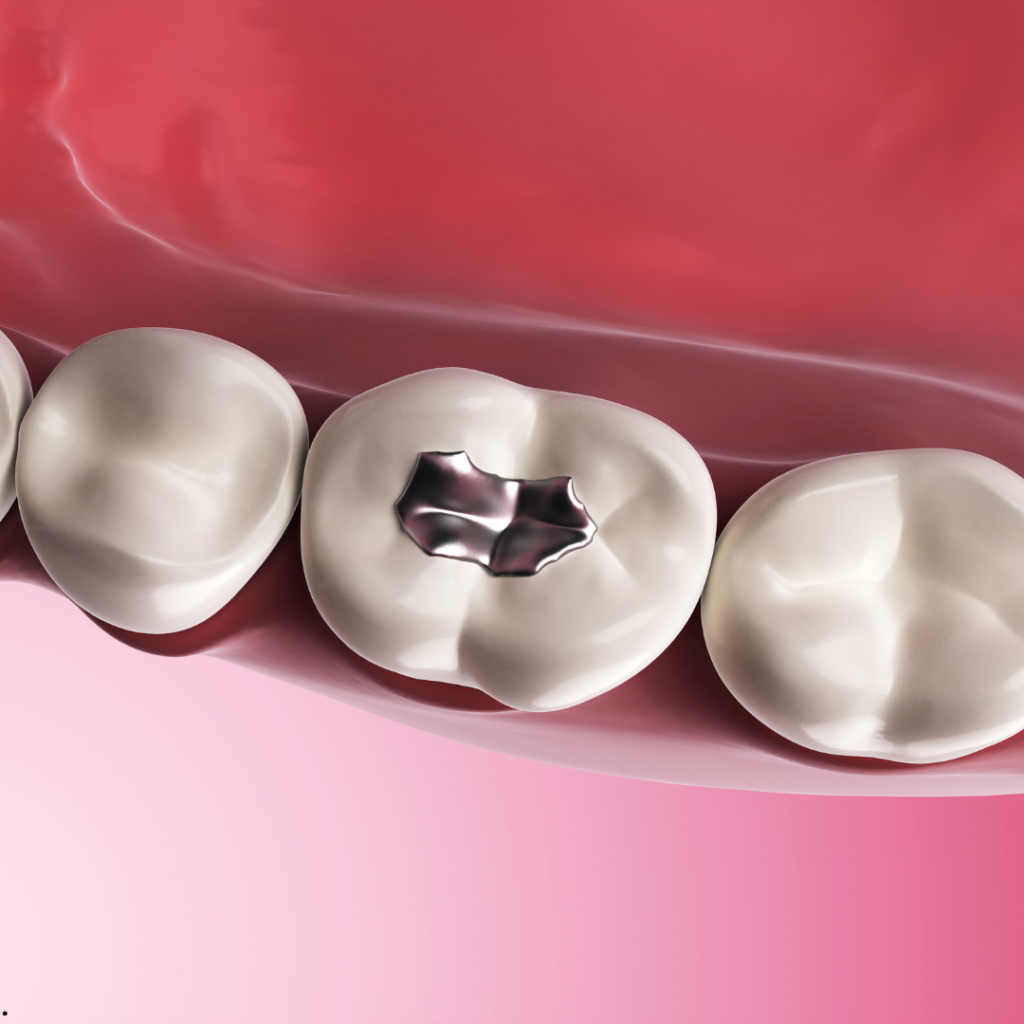
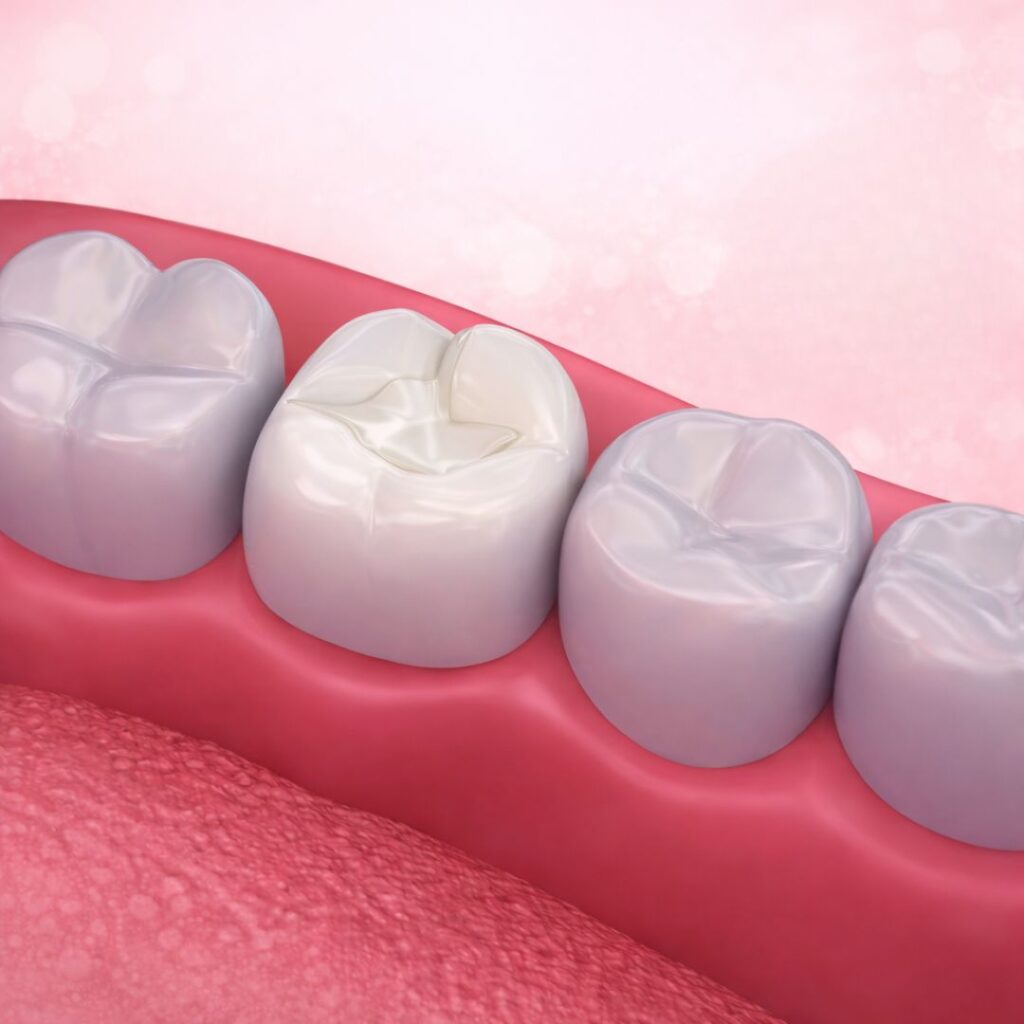
Dental fillings, often referred to as cavity or tooth fillings, are a key restorative treatment designed to tackle tooth decay and repair structural damage. This procedure involves filling the damaged or decayed portions of a tooth using specialized materials, helping to restore the tooth’s natural shape and function.
Tooth decay and trauma are the primary causes of damage to tooth structures. A dental filling not only fills the gaps caused by decay but also serves as a protective barrier to prevent further deterioration. It is also effective in repairing cracked or broken teeth that may result from habits like teeth grinding or nail-biting.
Commonly used filling materials include composite resin, ceramic, and glass ionomer cement (GIC), each selected based on the patient’s needs. These materials help create an even tooth surface, improving functions like chewing and biting while enhancing overall oral health.
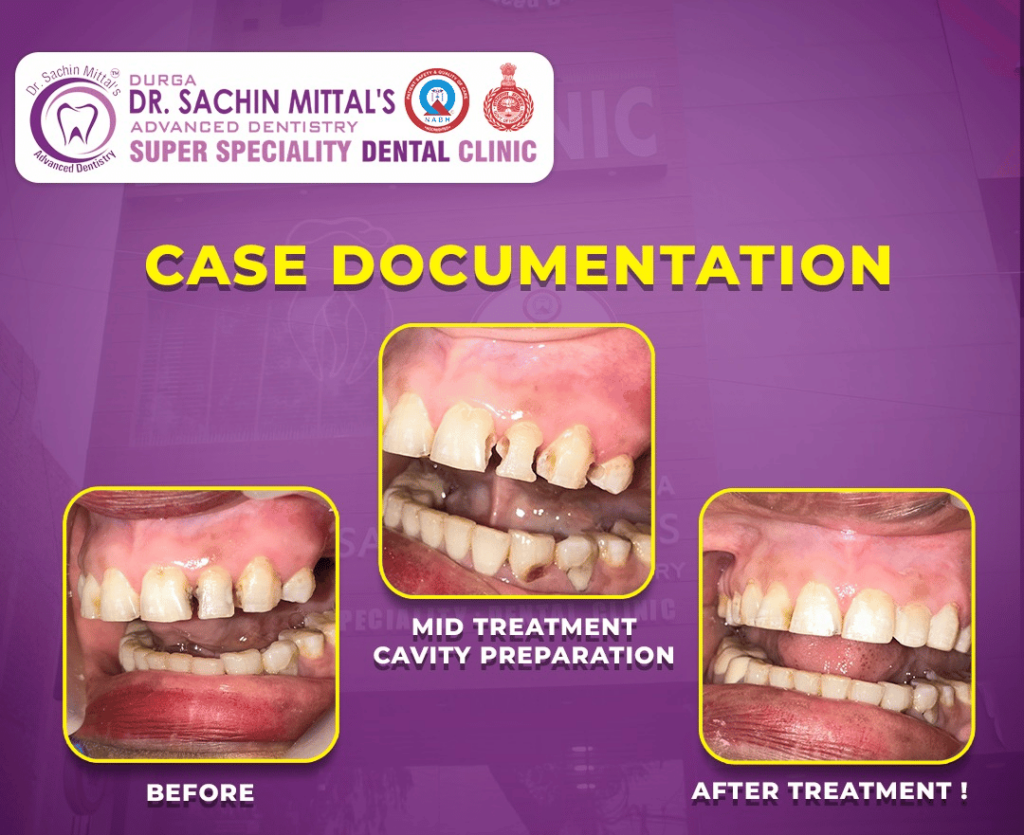
BEFORE AND AFTER PICTURE GALLERY
MID TREATMENT CAVITY PREPARATION
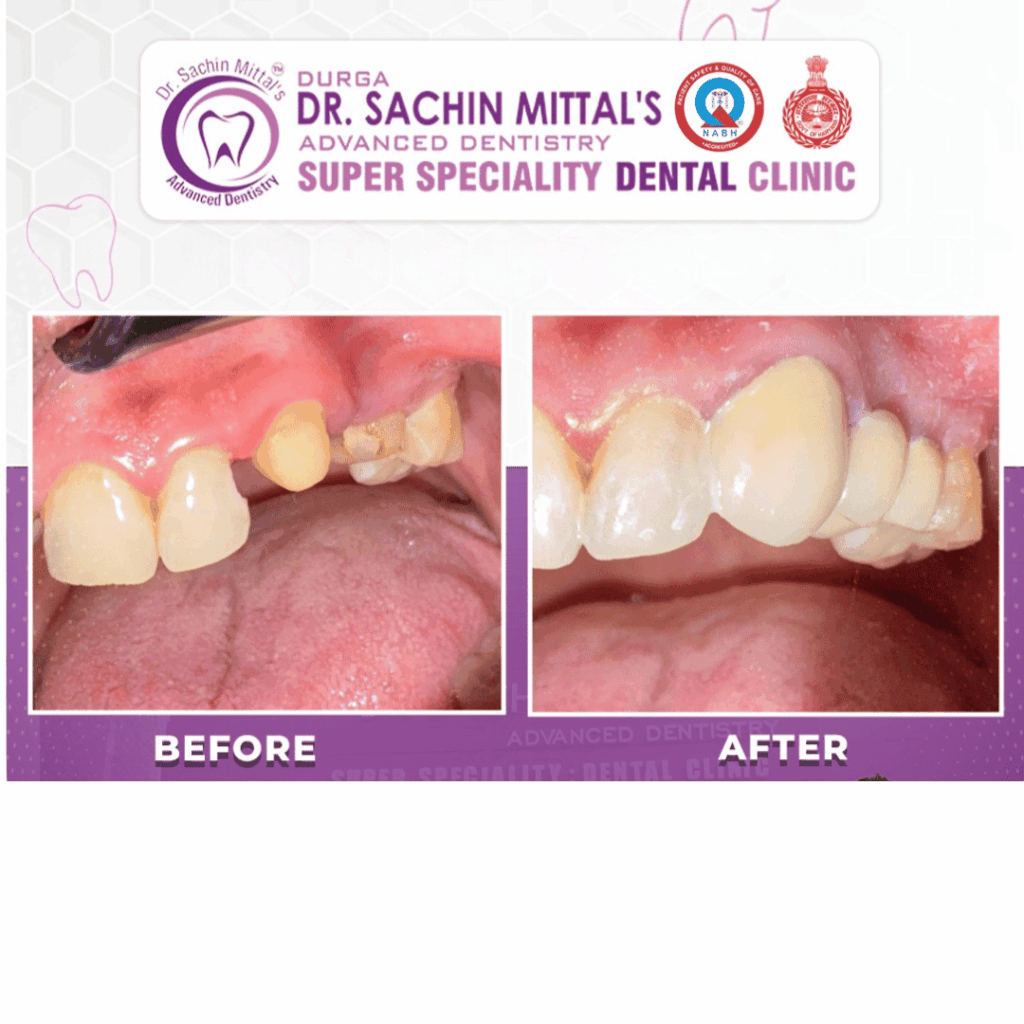
RESTORATION & BRIDGE CEMENTATION
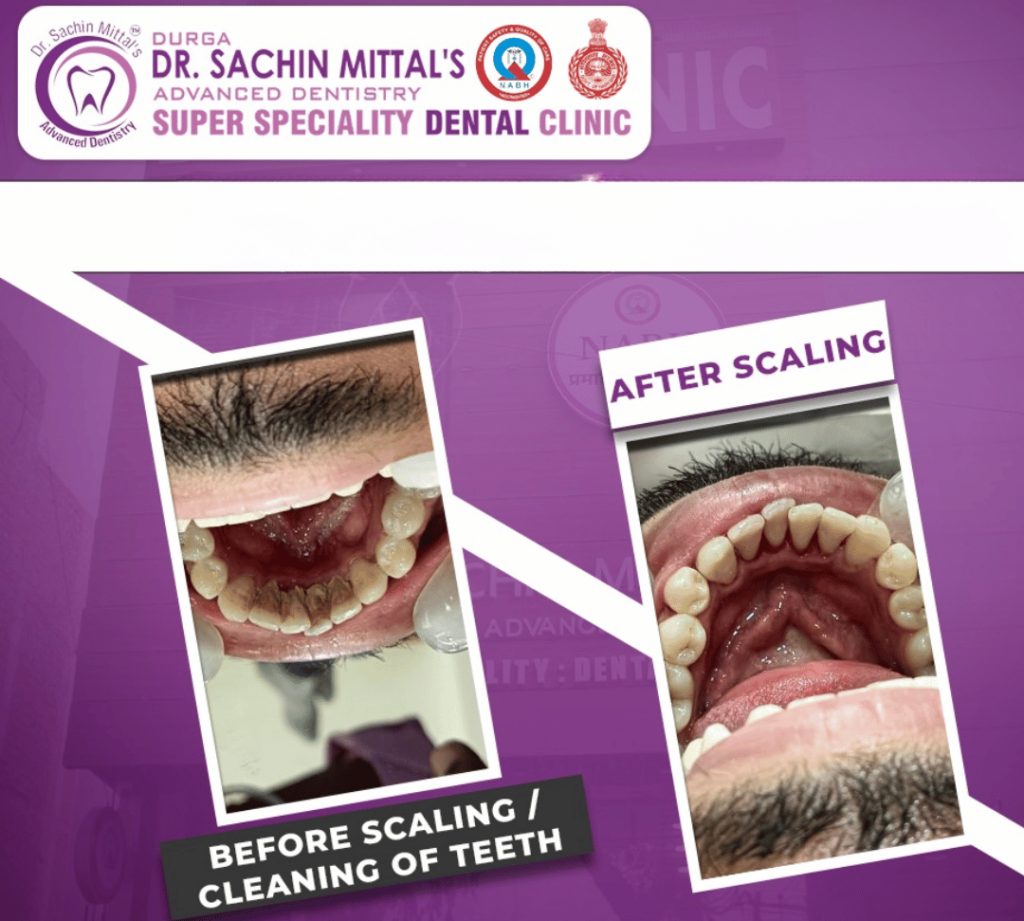
SCALING / CLEANING OF TEETH
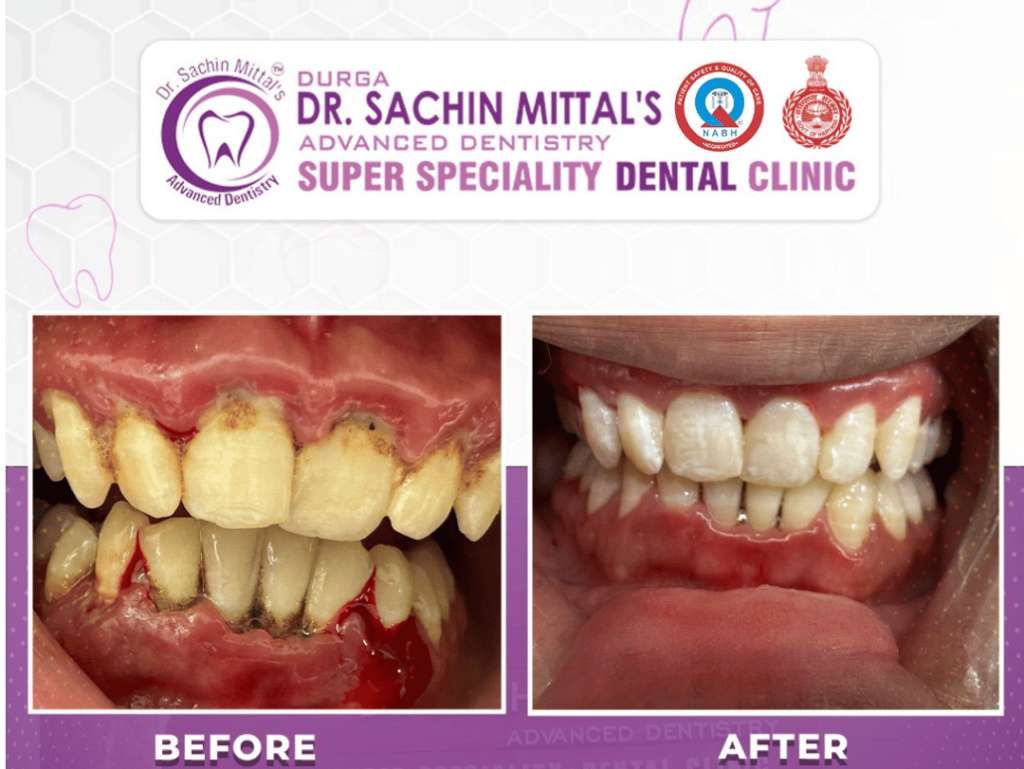
BLEEDING GUMS
TYPES OF DENTAL FILLINGS
Dental fillings come in various types, and the choice of filling depends on the extent of decay, patient preferences, and individual factors like allergies to specific materials. Here’s a detailed look at one of the most popular options:
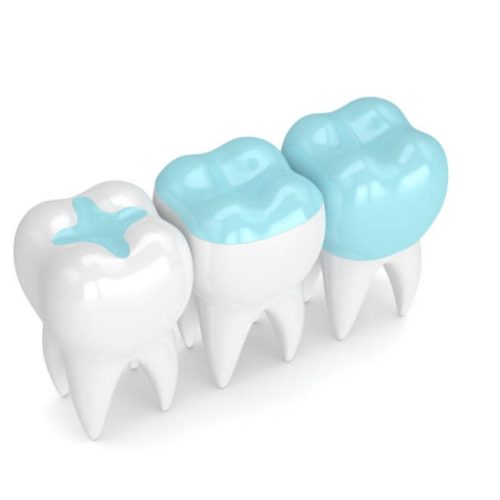
1. Composite Fillings
Composite fillings, also known as tooth-colored fillings, are a popular choice for restoring damaged teeth. Made from a durable resin material, they blend perfectly with your natural tooth shade, giving a seamless and aesthetic look. They are commonly used not just for cavities but also for repairing chipped or broken teeth, veneers, and other restorations. With proper care, composite fillings can last 10–15 years, making them a reliable and cost-effective solution.
• Natural-looking and matches your tooth color
• Durable, long-lasting, and budget-friendly
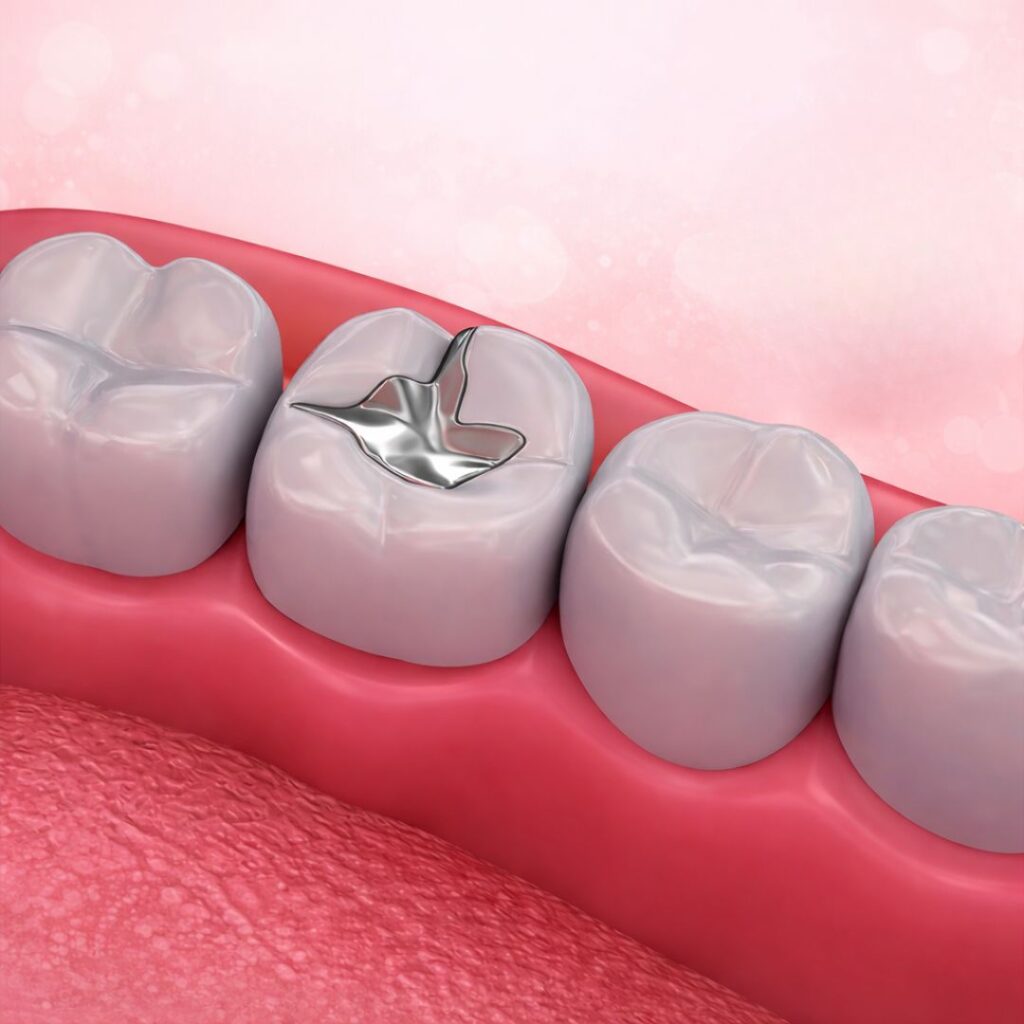
2. Silver Amalgam Fillings
Silver amalgam fillings have long been used for treating cavities and are made from a mixture of metals like tin, copper, zinc, and mercury. They are strong and durable but are now being used less frequently due to growing concerns about safety and environmental impact.
• Contains mercury, which raises health and environmental concerns
• May cause allergic reactions and is less aesthetic compared to tooth-colored options
3. Ceramic Fillings
Ceramic fillings, made from high-quality porcelain, are a premium option for restoring teeth. They closely match the natural tooth color, providing a seamless and aesthetic look while offering long-lasting performance.
• Highly durable and resistant to stains
• Natural-looking but slightly more expensive than other options
4. GIC – Glass Ionomer Cement Fillings
Glass Ionomer Cement (GIC) fillings are made from a combination of acrylic and glass, commonly used in both adults and children. They are especially useful for temporary fillings, baby teeth, and areas near the gumline. A key benefit is their ability to release fluoride, which helps protect teeth from further decay.
• Releases fluoride for extra protection against cavities
• Best for temporary use or low-pressure areas due to lower strength
WHEN DOES ONE NEED DENTAL FILLING?
Several signs can indicate that you may need a dental filling, such as a visible hole in the tooth, pain, or sensitivity. You might also notice food getting stuck frequently or dark spots on the tooth surface. However, the final diagnosis is always confirmed by a dentist after a proper examination.
• Toothache, sensitivity, or visible damage (holes, cracks, dark spots)
• Food getting stuck or presence of cavities in one or more teeth
WHAT SHOULD YOU EXPECT IN THE PROCEDURE FOR DENTAL FILLING?
Step 1: Tooth Examination
The first step in a dental filling procedure is a thorough clinical examination of the affected tooth. Patients typically report issues like pain, sensitivity, or discoloration. The dentist examines the tooth closely and may recommend an X-ray to assess the extent of the problem.
Step 2: X-ray and Material Selection
An X-ray is taken to determine whether the infection has reached the pulp of the tooth. If the pulp is affected, a root canal treatment (RCT) may be required. Otherwise, a dental filling can effectively restore the tooth. The dentist will then discuss the most suitable filling material based on the patient’s needs, such as composite, GIC, or other options.
Step 3: Removal of Decay
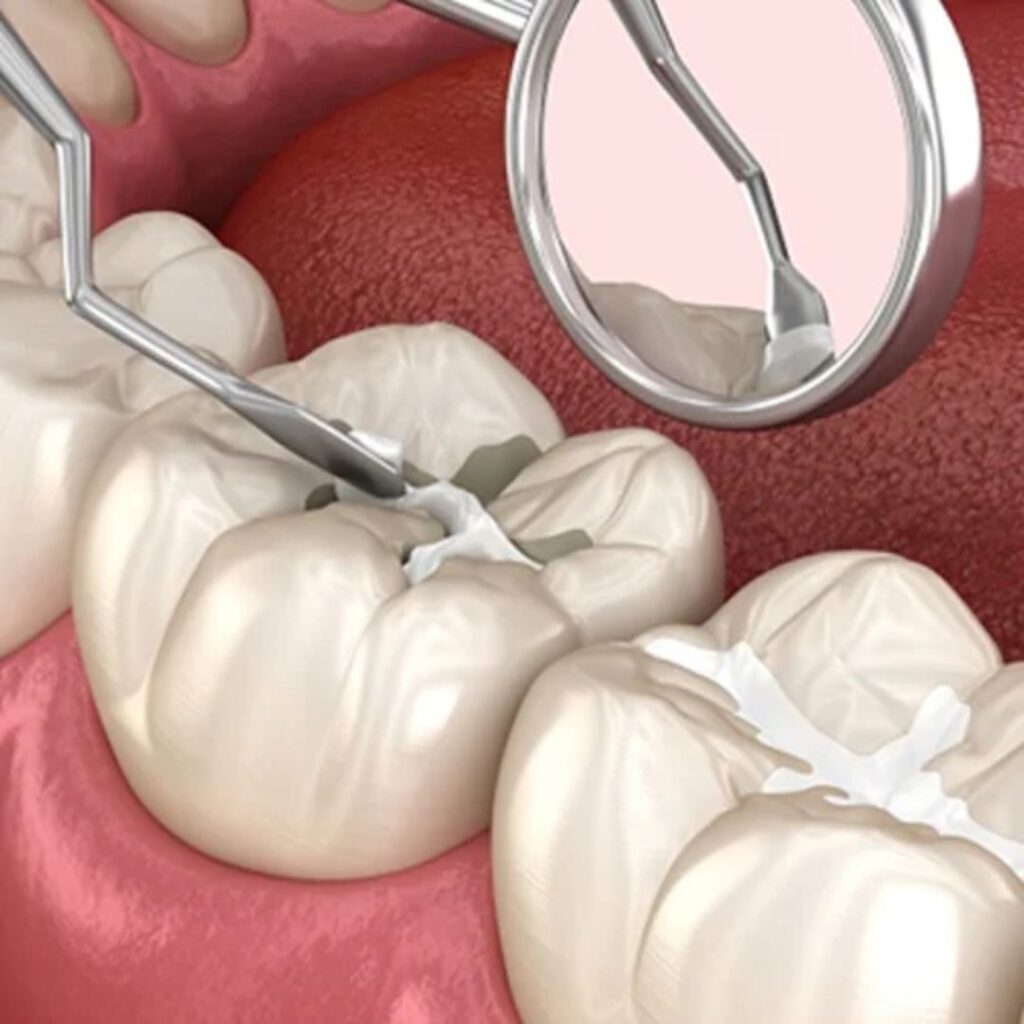
The decayed portion of the tooth is carefully removed to prevent further damage. This step involves using specialized tools like a spoon excavator or a dental handpiece with burs. The high-speed handpiece efficiently eliminates decay and shapes the cavity to prepare it for filling.
Step 4: Filling with Restorative Material
Once the decay is removed, the dentist places the chosen filling material into the prepared cavity. Commonly used materials include GIC, composite resin, amalgam, gold, or porcelain. In the case of porcelain fillings, an impression of the tooth is taken and sent to a dental lab for the fabrication of inlays or onlays.
Step 5: Allowing the Filling to Set
The time it takes for a dental filling to set depends on the material used. For composite fillings, a curing light is used to harden the material instantly. On the other hand, amalgam fillings typically set faster without additional tools. The dentist will provide specific guidance on how long to wait before using the restored tooth for normal activities.
Step 6: Ensuring Proper Bite Alignment
Once the filling has hardened, the dentist will use colored articulating paper to check for high spots or uneven surfaces that might affect the bite. These adjustments are essential to make sure the filling is comfortable and does not interfere with functions like chewing or biting.
Step 7: Polishing and Final Touches
In the final stage, the dentist will polish the filling to create a smooth and glossy finish. This not only enhances the appearance but also ensures the filling feels natural. The process is quick, painless, and leaves the tooth fully restored and functional.
CONSEQUENCES OF NOT GETTING A DENTAL FILLING
If you have cavities or decayed teeth, it’s important to visit a dentist and get a tooth filling as soon as possible. Here’s why:
- The enamel, which is the hard outer layer of your tooth and serves as its protective shield, begins to decay when cavities form.
- Once the enamel is damaged, the underlying dentin gets exposed, leading to discomfort, sensitivity, and eventually pain.
- Bacteria can easily reach the dentin, causing infection within the tooth structure.
- If treated on time, a simple filling can stop the progression of decay. However, delaying treatment can allow the infection to reach the tooth’s nerve, resulting in the need for a more complex and costly Root Canal Treatment.
- Untreated cavities can spread bacteria to neighboring teeth, increasing the risk of further decay and complications.
POST TREATMENT CARE FOR DENTAL FILLING
■ You may experience mild soreness around your gums, which typically subsides within a few days.
■ Refrain from consuming hard or sticky foods for a short period to allow your filling to settle.
■ If you grind your teeth, consider using a mouthguard to safeguard your dental filling.
■ Should you experience prolonged sensitivity or if your filling dislodges, visit your dentist promptly.
■ Keep up with a thorough oral hygiene routine, including brushing, flossing, and using mouthwash daily.
FREQUENTLY ASKED QUESTIONS
Q1. Can dental fillings prevent serious tooth damage?
Yes. Fillings stop decay from spreading and protect the natural tooth. When done by an experienced Dentist in Hisar, early treatment helps you avoid root canal or extraction.
Q2. Will my filling look natural with my other teeth?
Absolutely. The Best Dentist in Hisar uses tooth-colored materials that blend seamlessly with
your smile and feel completely natural.
Q3. How can I tell if my filling needs to be replaced?
If you notice sensitivity, cracks, or discomfort, visit a trusted Dental Clinic in Hisar for evaluation
before the damage worsens.
Q4. Is it possible to have a cavity without pain?
Yes, many cavities do not hurt at first. Regular checkups with a Dentist in Hisar help detect
decay early.
Q5. Can stained fillings affect the brightness of my smile?
Over time, fillings may stain just like natural teeth. Professional cleaning and Teeth Whitening
Hisar treatments can help restore a brighter smile.
- Clear Aligners
- Braces & Aligners
- Wisdom Teeth Removal
- Advanced Gum Treatment
- Mouth Ulcers