Introduction
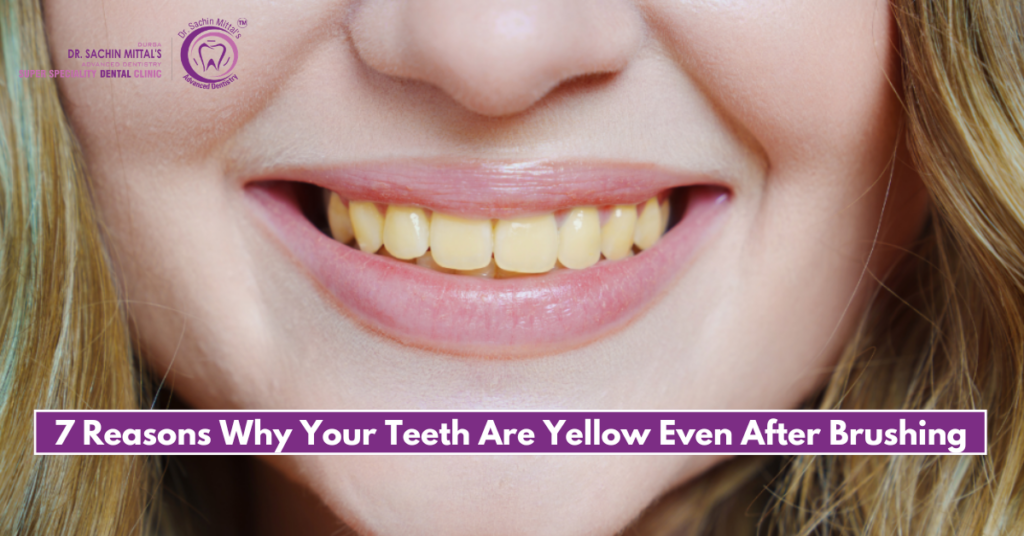
A radiant, white set of teeth is frequently linked to self-assurance, wellness, and proper care. A good number of individuals feel that consistent tooth brushing should suffice for keeping teeth brilliantly white. Nevertheless, it can be disheartening when your teeth still look yellowish even with twice-daily brushing.
The reality is that brushing on its own cannot resolve every source of tooth darkening. Various foundational elements—spanning from daily practices to inherent physical shifts—can influence the hue of your teeth. Grasping these causes is the initial move toward attaining a brighter, healthier-looking smile.
Within this post, we will delve into the seven primary explanations for why your teeth remain yellow despite brushing, alongside actionable fixes to assist you in bringing back your inherent brightness.
1. Natural Tooth Color (Genetics)
A frequently missed cause for teeth appearing yellow is simply heredity. Similar to complexion and hair hue, the inherent color of your teeth is set by your genetic makeup.
Teeth consist of several strata. The external covering, known as enamel, is naturally white or somewhat see-through. Underneath rests the dentin, which possesses a yellowish tint. For certain individuals, the enamel is less thick or more sheer, allowing the dentin to show through more prominently.
Key Points:
- Consequently, even with superb dental care, your teeth might still look somewhat yellow.
- Not every tooth possesses inherent bright white coloring
- Heredity impacts enamel density and hue
Bleaching outcomes differ individually
What You Can Do:
Should genetics be the primary factor, professional tooth bleaching or aesthetic procedures such as veneers can aid in enhancing looks.
2. Enamel Thinning
The outer coating of your teeth is enamel, which offers protection. Through regular actions like biting, scrubbing, and acid contact, it slowly erodes as time passes.
When enamel thins out, the underlying yellow dentin shows through more clearly, causing your teeth to appear duller or yellowish.
Causes of Enamel Erosion:
- Foods and beverages with acidity (like citrus and soda)
- Brushing too vigorously or employing firm-bristled brushes
- Teeth clenching/grinding (bruxism)
- Stomach acid regurgitation
Signs of Enamel Loss: - Heightened tooth sensitivity
- Clear margins on teeth
- Tinged yellow look
Solutions:
- Opt for a gentle-bristle toothbrush.
- Steer clear of tart edibles, or cleanse your mouth shortly after partaking in them.
- Employ a toothpaste with fluoride to reinforce the enamel.
Schedule appointments with your dental practitioner for enamel restoration procedures.
3. Plaque and Tartar Buildup
Despite consistent brushing, incorrect technique or overlooked spots can allow plaque to accumulate. Plaque is a gummy layer of microbes that adheres to teeth.
If plaque remains untouched, it solidifies into tartar (calculus), something brushing alone cannot eliminate. Tartar frequently looks yellowish or brownish and plays a major role in staining teeth.
Why This Happens:
- Poor brushing method
- Forgoing interdental cleaning
- Infrequent dental examinations
Impact:
- Discolored or yellowed teeth
- Unpleasant breath
Higher likelihood of periodontal issues
What You Can Do:
- Brush for a minimum of two minutes, two times each day
- Clean between teeth with floss daily
Schedule a dental cleaning every half year
4. Food and Drink Stains
What you eat significantly impacts the shade of your teeth. Some edibles and drinks possess intense colorants that can discolor your enamel across extended periods.
Common Staining Culprits:
- Teas and coffees
- Crimson fermented grape juice
- Carbonated sweetened beverages
- Deeply colored condiments (like soy or tomato)
Small, soft fruits
Even after brushing subsequent to eating these things, marks might still build up, particularly if the enamel has tiny holes.
How Staining Works:
Food coloring agents adhere to tiny openings in tooth enamel, resulting in staining.
Prevention Tips:
- Rinse your mouth post-meal
- Sip through a straw for drinks
- Reduce consumption of discoloring edibles
Brush half an hour following eating (avoid immediate brushing after acidic items)
5. Smoking and Tobacco Use
Tobacco use is a primary reason for teeth becoming discolored. Nicotine and tar, present in tobacco products, are significant staining agents for teeth.
Effects of Tobacco:
- Yellowish to brownish hue
- Tough marks that remain after scrubbing
Elevated probability of gingival issues and mouth malignancies
Why Brushing Isn’t Enough:
Nicotine discolorations sink far into the tooth surface, presenting a challenge for routine cleaning.
Solutions:
- Stop using tobacco products
- Choose professional teeth brightening procedures
Uphold rigorous dental cleanliness
6. Poor Brushing Technique
Brushing twice a day is important—but how you brush matters even more. Many people brush quickly or miss certain areas, allowing stains and plaque to remain.
Common Mistakes:
- Brushing for under two minutes
- Employing the wrong method
- Disregarding rear teeth
- Skipping the gum borders
Correct Brushing Method: - Employ a soft-bristled brush.
- Keep it at a 45-degree tilt.
- Apply soft, round motions.
Ensure brushing lasts a minimum of 2 minutes.
Additional Tips:
- Swap your toothbrush every quarter year.
Opt for an electric brush for superior hygiene.
7. Aging
With advancing years, your teeth tend to take on a more yellowish hue. This results from several elements interacting, such as the enamel becoming thinner, extended contact with coloring foodstuffs, and general deterioration.
What Happens Over Time:
- Tooth surface thins
- The layer beneath shows more
Discoloration gathers
Is It Preventable?
While aging cannot be stopped, its effects can be minimized with proper dental care.
Solutions:
- Routine dental examinations
- Expert tooth lightening
Sound mouth care practices
Additional Factors That May Cause Yellow Teeth
Besides the primary causes, various other elements play a part:
Medications
Some antibiotics and drugs may lead to staining of the teeth.
Fluorosis
Excess fluoride during childhood can lead to yellow or brown spots.
Dry Mouth
Saliva aids in clearing away food residue. Insufficient saliva may result in discoloration.
How to Make Your Teeth Whiter
Should just brushing prove insufficient, here are successful methods to enhance tooth shade:
1. Professional Teeth Whitening
- Quick and efficient
- Durable outcomes
- Secure with dental oversight
2. At-Home Whitening Kits
- Bleaching strips or gels
Gradual yet handy
3. Good Oral Hygiene
- Brush twice each day
- Floss consistently
- Rinse with mouthwash
4. Diet Control
- Minimize discoloration from food
Increase water intake
When Should You Visit a Dentist?
You ought to see a dental professional if:
- Discoloration continues even with proper care
- You observe hardened plaque accumulation
- Tooth tenderness becomes more pronounced
- You’re interested in expert bleaching
Conclusion
Dull teeth, even with regular brushing, can be annoying, yet it’s key to recognize that just brushing may not suffice. Contributors such as heredity, enamel wearing down, food intake, and daily routines all influence tooth shade changes.
The positive takeaway is that by employing the correct strategy—merging good dental care, modifications to your habits, and expert dental services—you can attain a more radiant and sound smile.
Keep in mind, a sound smile takes precedence over a perfectly pale one. Concentrate on keeping your teeth and gums robust, and improved brightness will naturally occur.