Intro
Having a beautiful smile can significantly enhance confidence and leave a lasting impression on others. Veneers are among the most popular cosmetic dentistry treatments for improving the appearance of teeth that are discolored, misaligned, chipped, cracked, or have gaps between them. A thin, custom-made shell is bonded to the front surface of the teeth to create a natural-looking and aesthetically pleasing smile.
Veneers are durable and designed to last for many years, but the longevity and appearance of veneers are largely determined by how well they are cared for after treatment. By following the right post-treatment care instructions, you will be able to maintain the strength, shine, and functionality of your veneers as well as protect your overall oral health.
We will discuss seven important things every patient should keep in mind after receiving dental veneers in this blog.
Understanding dental veneers
A dental veneer is a thin restoration that is typically made from porcelain or composite resin. The teeth are custom-designed to match the shape, size, and color of natural teeth. The following are some of the most common reasons why patients are recommended veneers:
- Discoloration of the teeth
- Teeth that have been chipped or cracked
- Tooth shape that is uneven
- Minor gaps between teeth
- Teeth that have become worn down
- Mild alignment irregularities
Veneers made of porcelain are particularly popular because they closely resemble natural enamel and resist staining better than composite materials.
In spite of the fact that veneers are highly durable, they still require proper maintenance in order to ensure their long-term success.
1. Avoid hard foods during the Initial Recovery Period
During the first few days following veneer placement, it is important to be cautious with the foods you consume.
Even though veneers are securely bonded to the teeth, it may take some time for the surrounding tissues and bite to adjust. Immediately following treatment, it may be harmful to the veneers to bite into very hard foods.
Foods to avoid initially
- Cubes of ice
- Candy that is hard
- The nuts
- Kernels of popcorn
- Hard raw vegetables
- Bread with a hard crust
Recommended Foods
- The yogurt
- Recipes for soups
- Fruits that are soft
- Potato mash
- The pasta
- Juices and smoothies
Once the adjustment period has passed, patients should gradually return to a normal diet while exercising caution when handling objects that are extremely hard.
2. Maintain Excellent Oral Hygiene
Even after receiving veneers, it is essential to maintain good oral hygiene. Despite the fact that veneers themselves do not develop cavities, the natural teeth beneath them may still be affected by tooth decay and gum disease.
Both aesthetics and oral health can be compromised by the accumulation of plaque around veneer margins.
Oral hygiene routine
Make sure you brush twice a day
Clean your teeth thoroughly with a soft-bristle toothbrush and non-abrasive toothpaste.
Every day, floss your teeth
Plaque and food particles can be removed from areas of the mouth that are difficult to reach with a toothbrush by flossing.
Antibacterial mouthwash should be used
Using a mouth rinse recommended by a dentist can reduce harmful bacteria and promote gum health.
Maintain a clean gumline
Plaque commonly accumulates in the area between the veneers and the gums.
Both natural teeth and veneers benefit from consistent oral hygiene.
3. Avoid Using Teeth as Tools
It is common for people to unknowingly place excessive stress on their teeth by using them for tasks for which they were never designed.
The following habits should be avoided after receiving veneers:
- The opening of packages
- Taking apart plastic wrappers
- Fingernail biting
- Objects held between the teeth
- Pen caps should not be chewed
Veneer chipping, cracking, and debonding can occur as a result of these actions.
While dental veneers are strong enough to perform normal chewing functions, they should not be subjected to unnecessary force.
4. Be Careful of Staining Foods and Beverages
Even though porcelain veneers are highly stain-resistant, the surrounding natural teeth can still become discolored over time.
Color differences may become apparent if adjacent teeth darken significantly.
Common staining agents
- The coffee
- The tea ceremony
- Red wine
- Drinks containing cola
- Products containing tobacco
- Sauces with a dark color
Helpful Tips
- When possible, drink staining beverages through a straw.
- After consuming colored foods or beverages, rinse your mouth with water.
- Make sure you brush your teeth regularly.
- Make an appointment for a professional dental cleaning.
Composite veneers should be treated with particular care since composite materials are more susceptible to staining than porcelain veneers.
5. Protect Your Veneers From Teeth Grinding
Bruxism, also known as teeth grinding, can significantly reduce the lifespan of veneers by placing excessive pressure on them.
During sleep, many individuals grind their teeth unconsciously.
Signs of Bruxism
- Soreness in the jaw
- Headaches in the morning
- Sensitivity of the teeth
- Worn tooth surfaces
- Jaw joints that click
Protection strategies.
A custom night guard may be recommended by your dentist if you grind your teeth at night.
As a protective barrier between upper and lower teeth, a night guard reduces stress on veneers and protects them from damage while sleeping.
It may also be possible to reduce grinding episodes by managing stress and improving sleep habits.
6. Attend regular dental checkups.
In order to maintain veneer health and detect potential problems as early as possible, routine dental examinations are essential.
There may be underlying conditions such as decay, gum inflammation, or bonding complications despite the appearance of perfect veneers.
Benefits of regular checkups
- Cleaning services provided by professionals
- Integrity monitoring of veneers
- Gum health evaluation
- Detecting dental problems at an early stage
- An assessment of the alignment of the bite
Patients should visit their dentist every six months, although some individuals may require more frequent visits based on their oral health needs.
It is important that cosmetic dental treatments be maintained by a professional to ensure their long-term success.
7. Report any unusual Symptoms Immediately
It is normal to experience mild sensitivity following the placement of veneers. Nevertheless, persistent discomfort should not be ignored.
If you notice any of the following symptoms, please contact your dentist:
- Sensitivity to hot and cold
- Chewing pain
- Veneers that are loose
- Veneers that have been chipped
- A swelling of the gums
- Alignment changes in the bite
It is often possible to prevent minor issues from becoming major complications with early intervention.
It is important to obtain a prompt professional evaluation in order to preserve the veneers as well as the natural teeth that support them.
Additional Tips for Long-Term Veneer Success
There are several additional habits that can help you maximize the lifespan of your veneers in addition to the seven essential precautions discussed above.
Stay Hydrated
It is important to maintain adequate hydration in order to promote saliva production, which naturally protects the teeth from harmful bacteria.
Avoid Smoking
Smoking can negatively affect gum health and stain natural teeth.
Follow Dietary Recommendations
Healthy gums and teeth are supported by a balanced diet rich in vitamins and minerals.
Use Recommended Dental Products
You should always use oral care products approved by your dentist in order to avoid damaging the surfaces of your veneers.
Maintain Gum Health
An attractive smile and a natural appearance of veneers are dependent upon healthy gums.
How Long Do Dental Veneers Last?
In addition to the quality of the material, oral hygiene practices, dietary habits, and the overall health of the mouth, veneers have a limited lifespan.
Porcelain Veneers
In most cases, these devices last between 10 and 15 years, and in many cases even longer with proper maintenance.
Composite Veneers
Generally, they last between five and seven years before needing replacement or repair.
The lifespan of these devices can be significantly extended with regular maintenance and professional evaluations.
Common Mistakes to Avoid After Getting Veneers
It is common for veneer failures to be caused by avoidable habits.
Frequent Mistakes Include
- Ice chewing
- Leaving dental appointments unattended
- Oral hygiene is poor
- Taking up smoking
- Using an abrasive toothpaste
- Grinding your teeth without noticing
- Delaying dental treatment
Maintaining your smile for years to come is possible by avoiding these habits.
The Importance of Professional Follow-Up Care
A successful veneer treatment does not end with the placement of the veneers. Long-term maintenance requires ongoing professional care.
The following can be monitored by dentists:
- Margin of veneer
- Strength of the bond
- Condition of the gums
- Function of the bite
- Status of oral hygiene
Having regular follow-up appointments ensures that any concerns are identified and addressed before they negatively impact treatment outcomes.
Conclusion
With dental veneers, you can improve the aesthetics of your smile and boost your self-confidence at the same time. However, in order to achieve long-lasting results, good oral health habits must be practiced.
Following the placement of dental veneers, you should take the following seven precautions:
- Initially, avoid hard foods.
- Ensure that your oral hygiene is excellent.
- It is never a good idea to use your teeth as tools.
- Stain-causing substances should be avoided.
- Ensure that veneers are protected from grinding.
- Ensure that you receive regular dental examinations.
- Please report any unusual symptoms as soon as possible.
In addition to maintaining healthy teeth and gums, patients can enjoy beautiful, natural-looking veneers for many years by following these recommendations.
You should consult with an experienced cosmetic dentist if you have recently received dental veneers or are considering veneer treatment to ensure the long-term success of your new smile.
Book Your Dental Veneers Consultation Today
A confident smile can make a lasting impression, and dental veneers offer an effective solution for enhancing the appearance of chipped, stained, uneven, or worn teeth. Whether you are looking to improve the shape, color, or overall aesthetics of your smile, veneers can help you achieve natural-looking and long-lasting results.
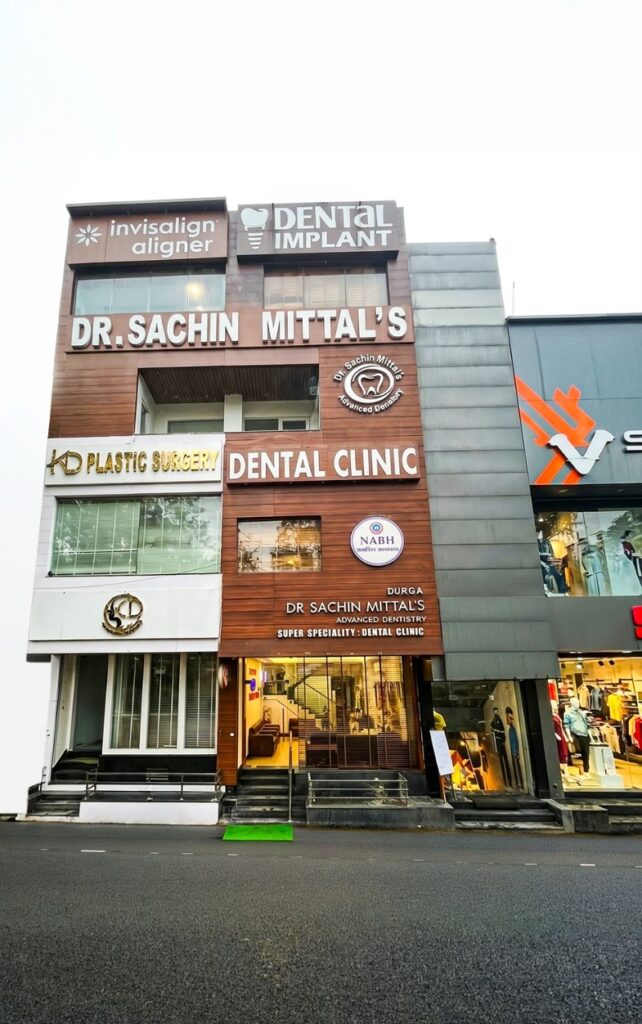
At Dr. Sachin Mittal’s Advanced Dentistry in Hisar, we combine advanced cosmetic dentistry techniques with personalized treatment planning to create smiles that look beautiful, natural, and harmonious with your facial features.
Our experienced dental team carefully evaluates your oral health, smile design goals, and aesthetic expectations to recommend the most suitable veneer treatment for your needs.
Schedule your Dental Veneers Consultation today and take the first step toward achieving the smile you’ve always wanted.
Model Town, Hisar
Call: 98124 68881
Red Square, Hisar
Call: 98121 68881
Book your appointment today at Dr. Sachin Mittal’s Advanced Dentistry, Hisar and discover how dental veneers can transform your smile with confidence.